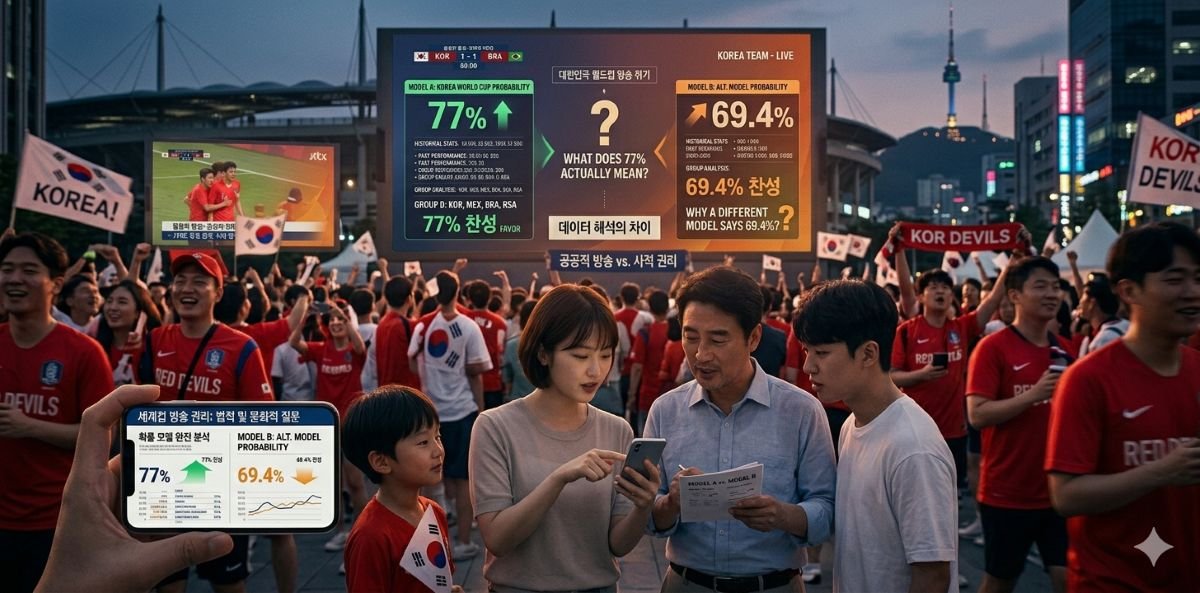

Over the past 48 hours, a significant regulatory discussion has intensified within the Korea Communications Commission (KCC) that could redefine the relationship between South Korean citizens and their favorite pastimes. At the heart of the debate is the concept of “Universal Access Rights” ($보편적 시청권$), a legal framework designed to ensure that the public can view culturally significant events without being barred by excessive costs or technical hurdles.
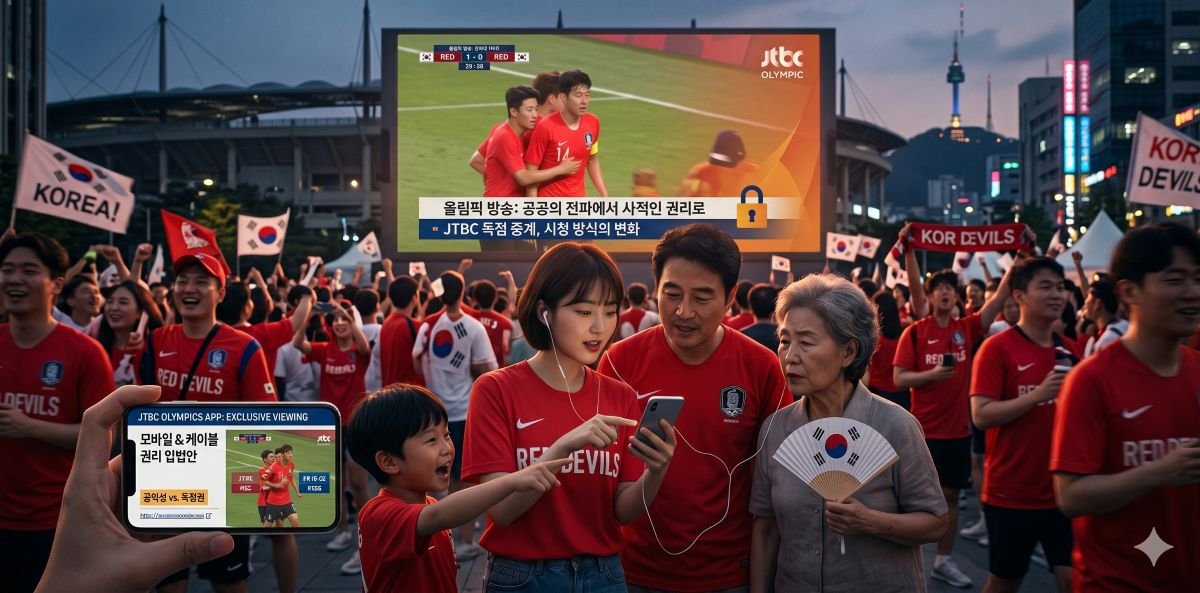
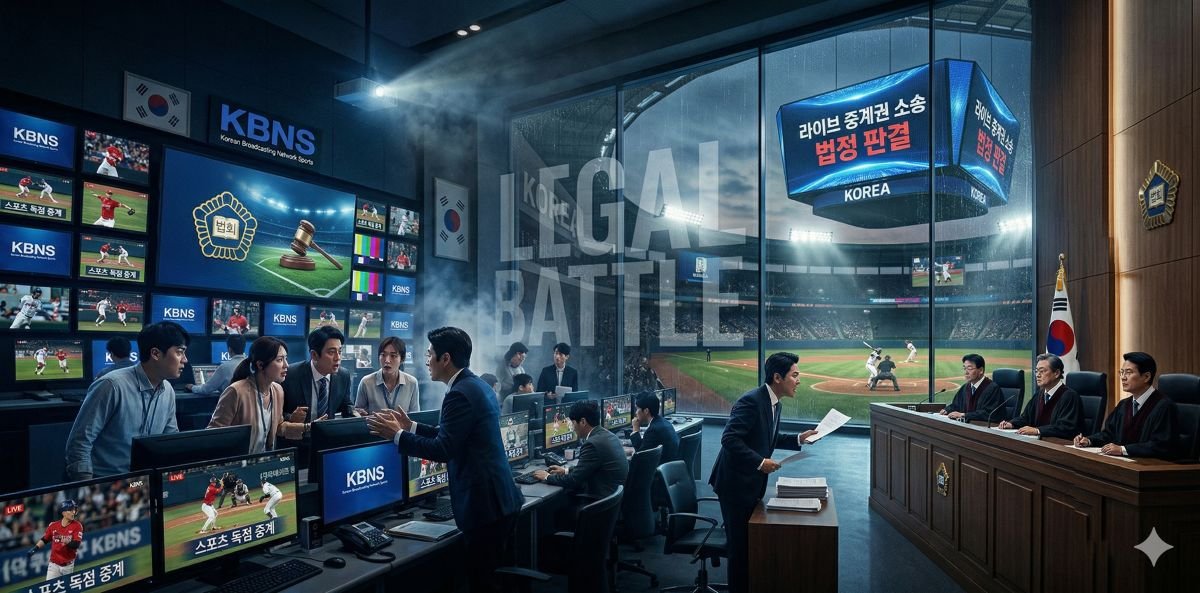
As major sports entities—most notably the KBO League and K League—transition their primary broadcasting rights to exclusive, paid over-the-top (OTT) streaming platforms like TVING and Coupang Play, a fundamental legal conflict is emerging. This tension pits the private property rights and commercial autonomy of sports leagues against the public’s right to access content that serves as a cornerstone of national and regional identity.
Defining the “National Interest” in the Digital Age
Under current South Korean law, the KCC mandates that certain “events of national interest” must be accessible to at least 90% of the population via free-to-air, terrestrial signals. Historically, this designation has been reserved for global spectacles such as the Olympic Games and the FIFA World Cup qualifiers.
However, the current regulatory review is exploring whether this definition is outdated. Proponents of expanded access argue that professional sports leagues, which operate on land and within infrastructures often supported by public funds, should also be considered essential cultural goods. For residents of Seongnam, a city with a deeply ingrained football and baseball culture, the outcome of this debate will determine whether following their local team remains a public right or becomes a private luxury.
The KCC is currently weighing the inclusion of “core league matches” under the universal access umbrella. This would legally require streaming giants to sub-license certain games to terrestrial broadcasters, ensuring that fans who cannot afford multiple monthly subscriptions—or those who lack the digital literacy to navigate complex apps—are not left in the dark.
The Digital Paywall Shift: A Barrier to Community Engagement
For many Seongnam residents, the shift from linear television to OTT services represents more than just a change in technology; it is a barrier to community-wide sports engagement. Traditional broadcasting served as a “water cooler” medium—an accessible, synchronized experience that allowed different generations to connect over a shared event.
The migration to paid digital streaming creates a fragmented audience. When a match is placed behind a paywall, it naturally excludes lower-income households and older demographics who may find the transition to smartphone-based viewing cumbersome. This tension highlights how legal structures shape user behavior, as the presence or absence of a paywall dictates who can participate in the cultural conversation and who is relegated to following via text-based updates.
In a city like Seongnam, where sports have historically functioned as a “social glue,” this exclusion has sociological consequences. If a significant portion of the city can no longer watch a local derby or a championship race, the collective identity associated with those teams begins to erode.
Regulatory Balance: Innovation vs. Public Good
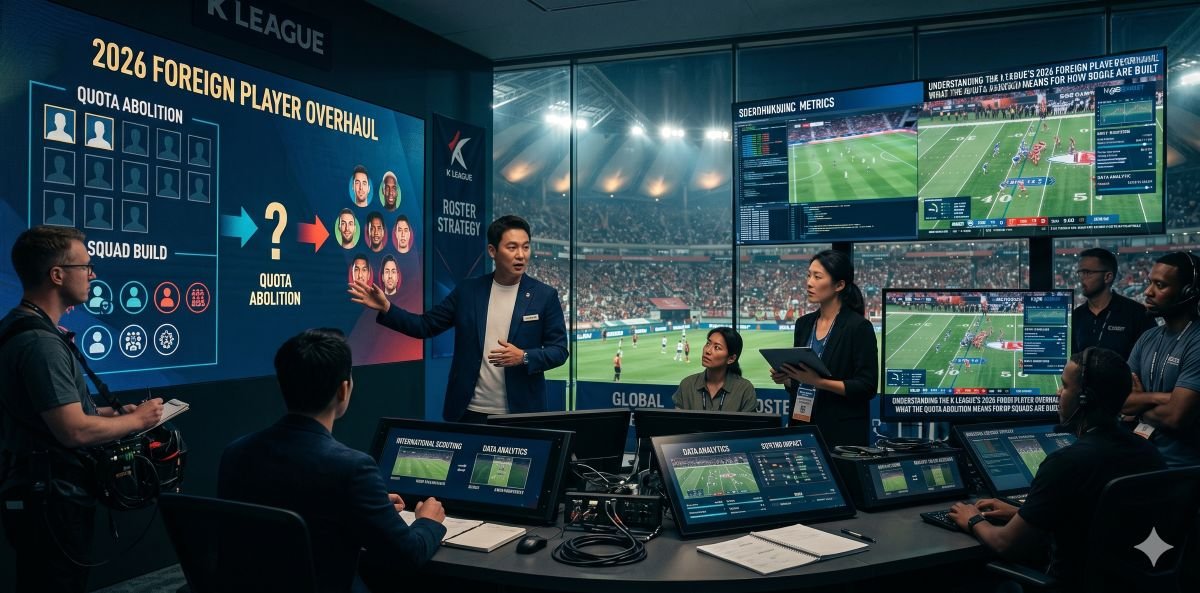
On the other side of the legal aisle, sports leagues and broadcasting partners argue that the “Universal Access” mandate could stifle “Digital Innovation.” The K League and KBO have argued that the revenue generated from exclusive OTT deals is vital for the survival and modernization of the sport. These funds are used to improve stadium facilities, invest in youth academies, and enhance the quality of the broadcast through advanced analytics and high-definition production.
Leagues contend that forcing them to provide free access undermines their private property rights. They argue that in a free-market economy, the value of their “product” (the game) should be determined by what platforms are willing to pay for it.
Legislators are therefore tasked with a difficult balancing act:
Encouraging Private Investment: Ensuring leagues have the capital to compete on a global scale.
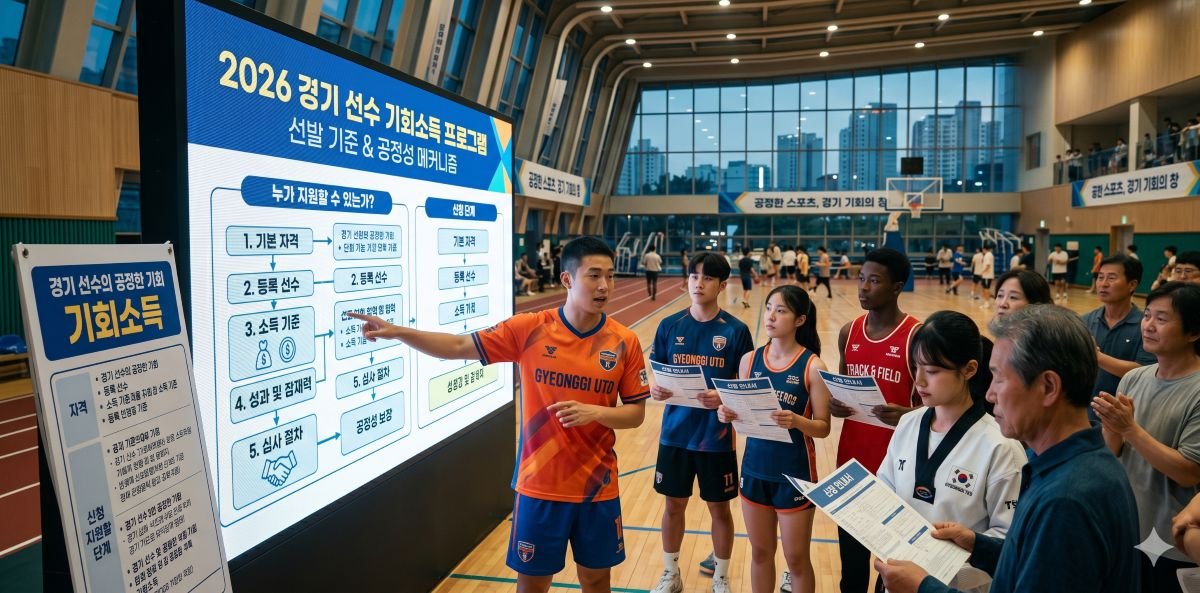
Protecting Cultural Rights: Ensuring that the most marginalized members of the community are not excluded from the national sports narrative.
This debate is particularly resonant for supporters of civic-minded organizations, as seen in the discussion regarding the color of governance and the Seongnam FC civic club shift. When a club’s identity is rooted in its relationship with the city’s taxpayers, the argument for keeping its matches accessible to those same taxpayers becomes legally and ethically stronger.
The Path Forward for Seongnam Fans
As the KCC continues its review over the coming months, the results will likely lead to a new “hybrid” model of sports media. We may see a future where the majority of games are hosted on premium digital platforms, while a “protected quota” of matches is mandated for free public viewing.
For the readers of SeongnamInsider, this legal battle is a reminder that sports are not just games played on a field; they are governed by a complex web of media laws and civic responsibilities. Understanding these frameworks is essential for any fan who wants to advocate for a sports ecosystem that is both innovative and inclusive.
The “Universal Access” debate reminds us that the value of a sport is not just found in the revenue it generates, but in the number of people who can share in the experience. As we move further into the digital age, the challenge for regulators will be to ensure that while the technology changes, the “social glue” of sports remains as strong as ever.