

The 2026 KBO season is proving to be a landmark year for the integration of technology and sports, but the most significant changes might be happening away from the pitcher’s mound. With a critical April 15 deadline approaching, the Korea Baseball Organization has officially opened the bidding process for a comprehensive fan propensity survey and analysis. This initiative represents a departure from the days of simply counting ticket stubs at the gate, moving instead toward a sophisticated, data-driven understanding of how fans actually consume the sport.
For the community in Gyeonggi-do, particularly those who frequent the sports hubs around Seongnam, this “Quantitative Shift” is more than just an administrative task. it is a signal that the league is beginning to view its audience not just as spectators, but as vital data points within a complex engagement ecosystem.
Moving Beyond Attendance Tracking
Historically, the success of a baseball season was measured by attendance figures and television ratings. While these metrics provided a general sense of popularity, they offered very little insight into the “why” behind fan behavior. Why does a fan choose to watch on their phone instead of at the stadium? What specific moments in a game lead to the highest levels of “viewing satisfaction”?
The 2026 survey aims to answer these questions by quantifying consumption importance across both digital and physical platforms. By analyzing spectator characteristics, the KBO hopes to build a profile of the modern fan that accounts for their digital habits, regional loyalties, and even their reaction to new rules like the Automated Ball-Strike (ABS) system. For fans in Seongnam, where tech-savviness is a local hallmark, this data will likely highlight a high preference for integrated digital experiences.
The Ecosystem of Engagement
When we speak about a “broader engagement ecosystem,” we are referring to the idea that a fan’s relationship with the KBO does not start and end at the stadium gates. It includes social media interactions, highlights watched on the subway, and the use of sports analytics platforms. The KBO’s bidding project seeks to map this entire journey.
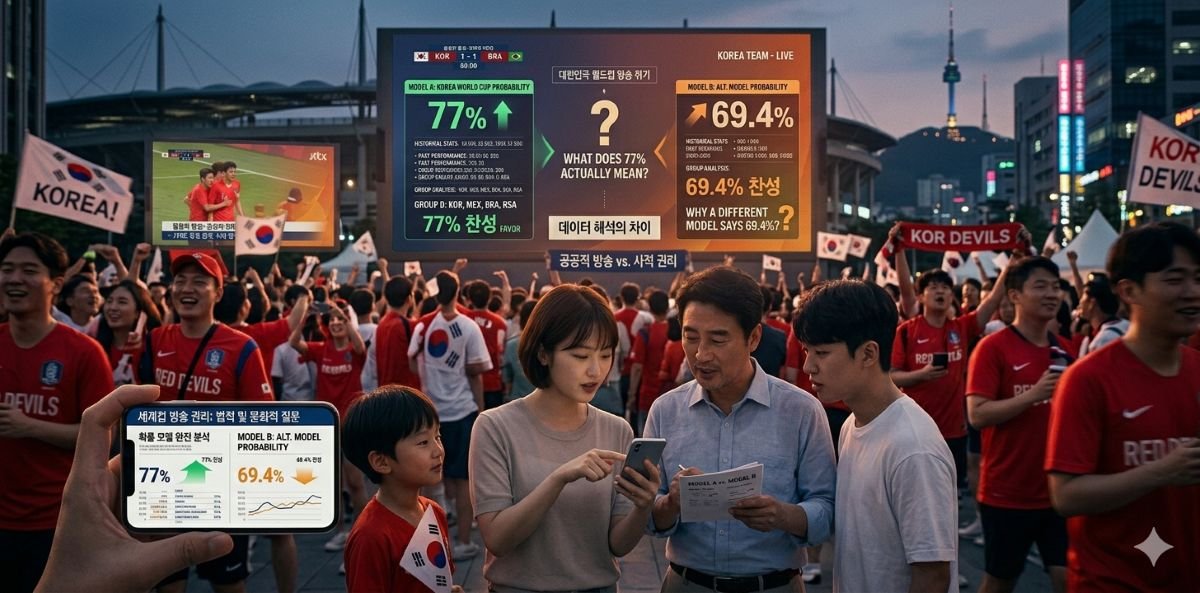
By understanding the “viewing environment,” the league can better optimize the rhythm of the game. If data shows that fans are losing interest during specific lulls in play, the league has the empirical evidence needed to adjust pace-of-play regulations. This is a far more reliable method than relying on historical assumptions or anecdotal complaints from the dugout. It is a transition toward a 스포츠 분석 방법론-데이터 맥락 전략을 평가하는 방 (sports analysis methodology) that treats the audience as a core variable in the game’s success.
Impact on Seongnam-Based Fan Clusters
Seongnam sits at a unique intersection of sports culture and technological innovation. Residents here are often early adopters of the very digital platforms the KBO is now trying to analyze. Because Seongnam fans often balance their loyalty between local institutions like Seongnam FC and the national fever of the KBO, their consumption patterns are highly diversified.
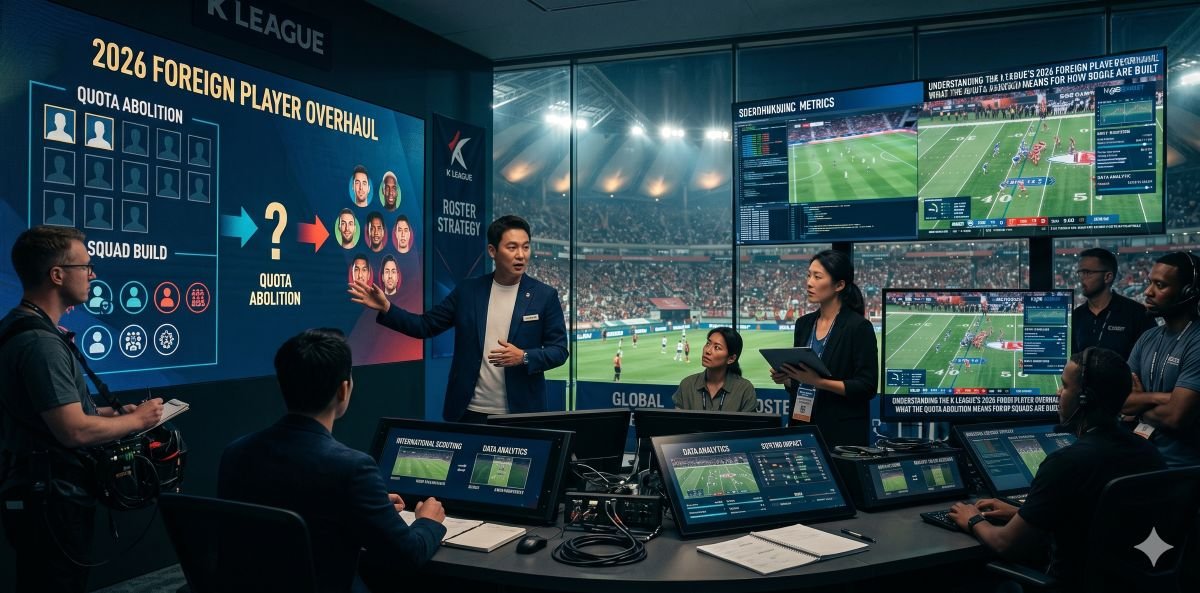
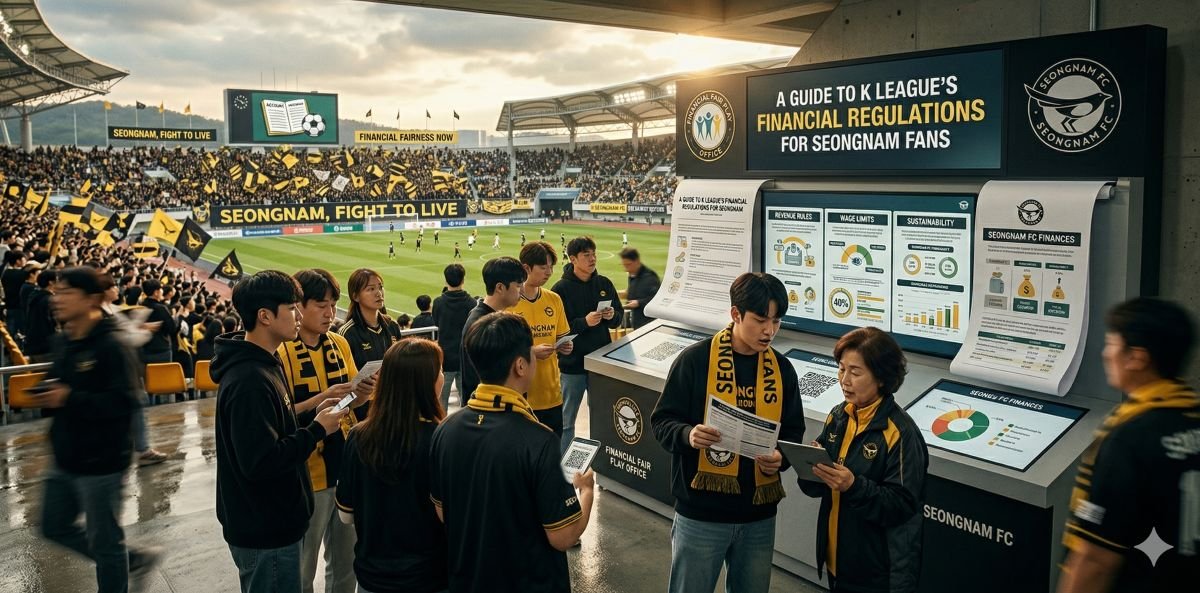
The results of this propensity study will likely influence how media rights are distributed in the Gyeonggi region. If the data reveals a heavy lean toward interactive streaming in tech-heavy districts, we may see more localized digital content or “smart stadium” initiatives tailored to these specific clusters. This data-driven approach ensures that the league’s evolution remains grounded in the actual needs of the community. To better understand how the league manages these shifts, one can look at a guide to the K-League’s financial regulations for Seongnam fans, which illustrates how structured data and rules guide the business side of Korean sports.
Transparency as a Strategic Asset
The April 15 deadline for the bidding process is the first step in a larger push for transparency and efficiency. By hiring external experts to conduct this analysis, the KBO is ensuring that the data is handled with professional objectivity. This is vital for maintaining trust with the fans. When the league makes changes to the schedule or the broadcast format, they can point to the propensity survey as the “source of truth” behind those decisions.
For the analytically minded fan, this is a welcome change. It removes the mystery from league governance and replaces it with a logic that mirrors the statistical depth of the game itself. Just as a manager uses a pitcher’s “spin rate” or “exit velocity” to make a mid-game substitution, the KBO will use “viewing satisfaction” metrics to make mid-season adjustments to the fan experience.
Looking Toward the 2026 Post-Survey Era
Once the bidding process is finalized and the study is conducted, the 2026 KBO season will move into a new era of sports management. We can expect to see a more personalized approach to fan engagement, where the “one size fits all” model of the past is replaced by targeted strategies that recognize the differences between a casual viewer in a rural province and a data-heavy fan in a city like Seongnam.
The Quantitative Shift is an acknowledgement that in the modern era, the fan is an active participant in the league’s infrastructure. By the time the next season rolls around, the “rhythm of the game” will have been fine-tuned by the very people who watch it, ensuring that Korean baseball remains as relevant in the digital world as it is on the diamond.