
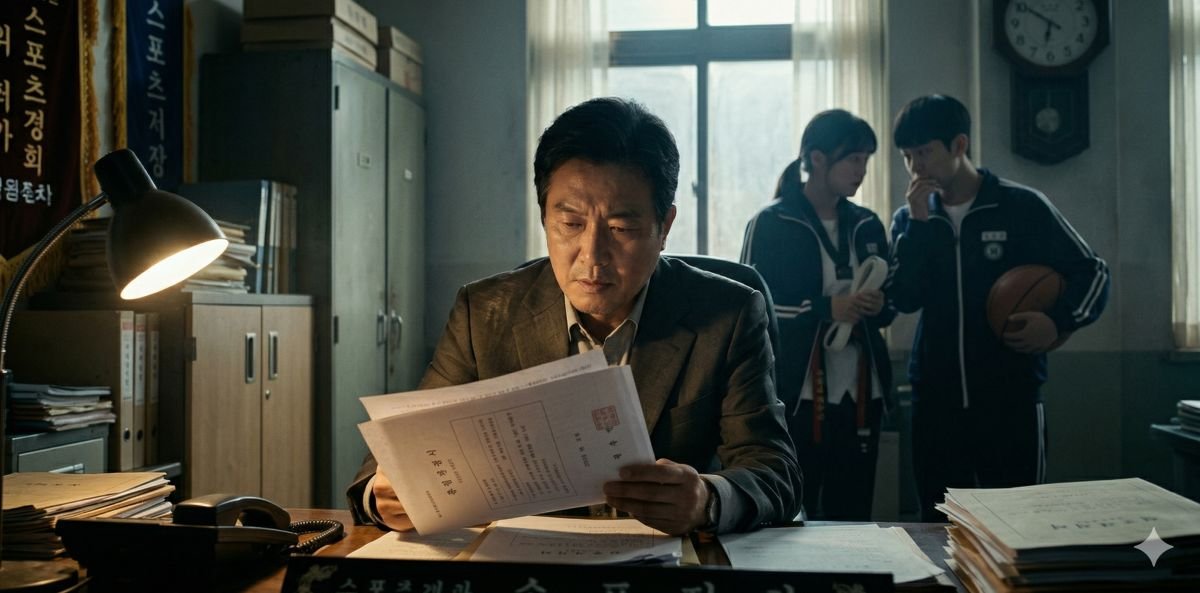
At a moment when school sports participation is declining and the government remains deadlocked over reforms that satisfy neither side, the debate over student-athlete education in Korea is not simply a dispute over education policy — it is raising fundamental questions about how Korean sport should be governed.
The Background — A Collision of Two Values
The question of education for Korean student-athletes has long maintained tension between two competing values. One is the national imperative to develop elite athletes capable of producing top results in international competition. The other is the human rights demand that students with athletic ability must also be guaranteed their basic right to education.
The current system has historically weighted the former. Talented students are identified at an early age and channeled into intensive training programs, supported by educational concessions such as reduced class hours and university admission based on athletic performance. This structure has been credited with contributing to Korea’s consistent placement at the top of medal tables at the Olympics and Asian Games.
However, the same structure has faced sustained criticism on other grounds. Student-athletes are having their right to education violated, and their career options beyond sport are being structurally constrained.
The National Human Rights Commission’s Recommendation and the Reform Trajectory
A significant turning point in this debate came in 2007, when the National Human Rights Commission of Korea issued a recommendation urging a departure from the elite-centered system. The substance of that recommendation was that student-athletes should have the same opportunity to attend classes as general students, and that the practice of substituting athletic performance for academic obligations needed to be fundamentally reconsidered.
Reform momentum continued steadily from that point. Institutional changes were applied in stages, including the introduction of minimum academic standards, a shift toward weekend league competition formats, and limits on missed classes. However, these changes drew resistance from both sides of the debate. The elite sports camp warned of weakening competitive capacity, while the education-centered reform camp criticized the changes as insufficiently fundamental.
A Government in Deadlock — Two Ministries at Different Temperatures
The current situation is close to a policy vacuum. Sports Minister Chae Hwi-young stated at his confirmation hearings that he would discuss relevant legislative revisions with the Education Ministry. Education Minister Choi Kyo-jin emphasized the need to balance academics and athletics. Yet neither ministry has presented a concrete and clear policy direction.
What this deadlock signals is not simply that administrative processing is slow. It exposes a more fundamental problem: how legal structures define the behavior and choices available to participants. The rules applied to student-athletes shape their career trajectories, their educational experiences, and their entire relationship with sport. Analysis of how legal structures shape the behavior of sports participants helps situate this governance dispute in a broader context.
Declining School Sports Participation — A Structural Outcome
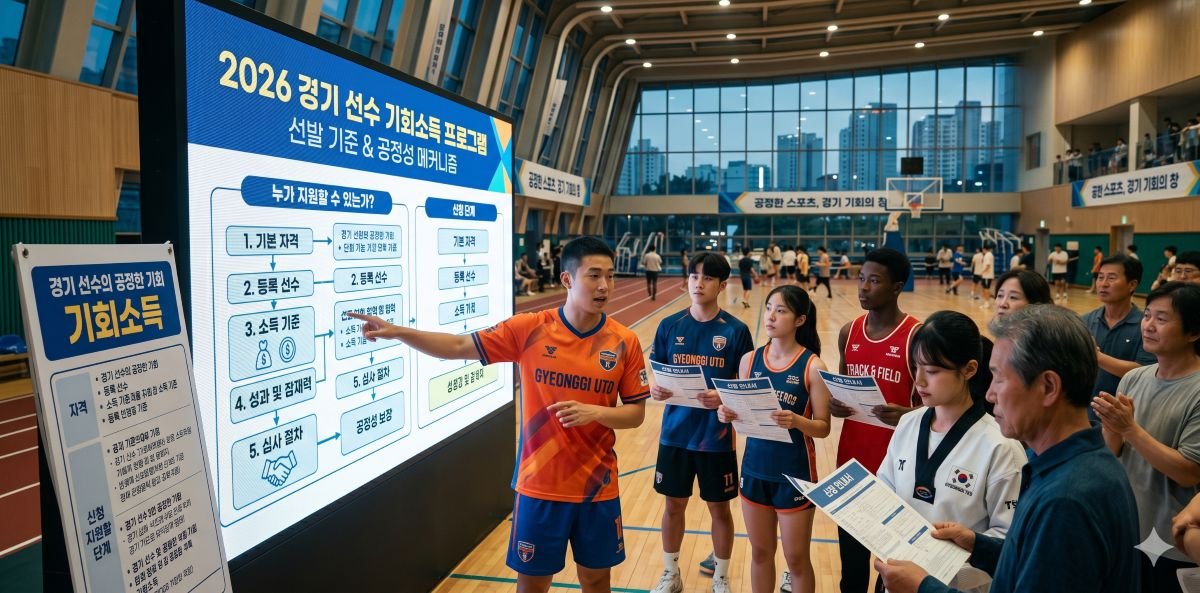
Behind the intensifying debate lies an actual decline in school sports participation. The structure that forces students to choose between an elite training pathway and a general academic pathway is becoming a factor that drives many students away from sport altogether. The practical concern that joining a school athletic program will cause academic delays, combined with the sunk cost pressure that abandoning sport means losing already-invested time — these two forces are pushing students away from sport.
In communities like Seongnam, where civic club sports culture carries particular weight, this problem is felt more directly. The way local sports clubs connect with school sports programs, and the process by which young athletes make career decisions, affects the entire sports culture of the local community. Seongnam Insider’s coverage of local sports policy and youth community issues provides context for understanding how this structural debate manifests at the community level.
A Comparative Perspective — How Other Countries Approach This
The student-athlete education problem is not unique to Korea. The American NCAA system has institutionalized a structure for combining academics and athletics at the university level, but it has not escaped controversy over athlete exploitation and educational quality. Germany’s elite sports school model is designed to integrate academic study with training. Japan has normalized school sports through the bukatsu club activity culture, but the problem of excessive training burdens has become a subject of social debate.
What the examples from each country consistently demonstrate is that no single model is perfect. The balance between elite performance and the guarantee of educational rights depends on each society’s value judgments and its capacity for institutional design. The UNESCO international policy guidelines on the integration of sport and education present international standards for how this balance can be approached.
Reading This Debate as a Governance Question
Reading the student-athlete education debate as merely a jurisdictional dispute between the Education Ministry and the Ministry of Culture, Sports and Tourism is a surface-level understanding. The substance of this debate is a governance question: around what values should Korean sport be operated?
A system that places elite performance as the top priority can deliver medals, but it turns away from the experiences and rights of students who fall through the gaps of that system. Reform that prioritizes educational rights can create an environment where more students continue in sport, but securing top-level competitiveness may take longer.
How the government resolves this conflict will determine the structural direction of Korean sport going forward. The longer time passes without a clear policy direction, the more the cost of that vacuum is paid by student-athletes who are being forced to make choices outside the boundaries of any coherent system.