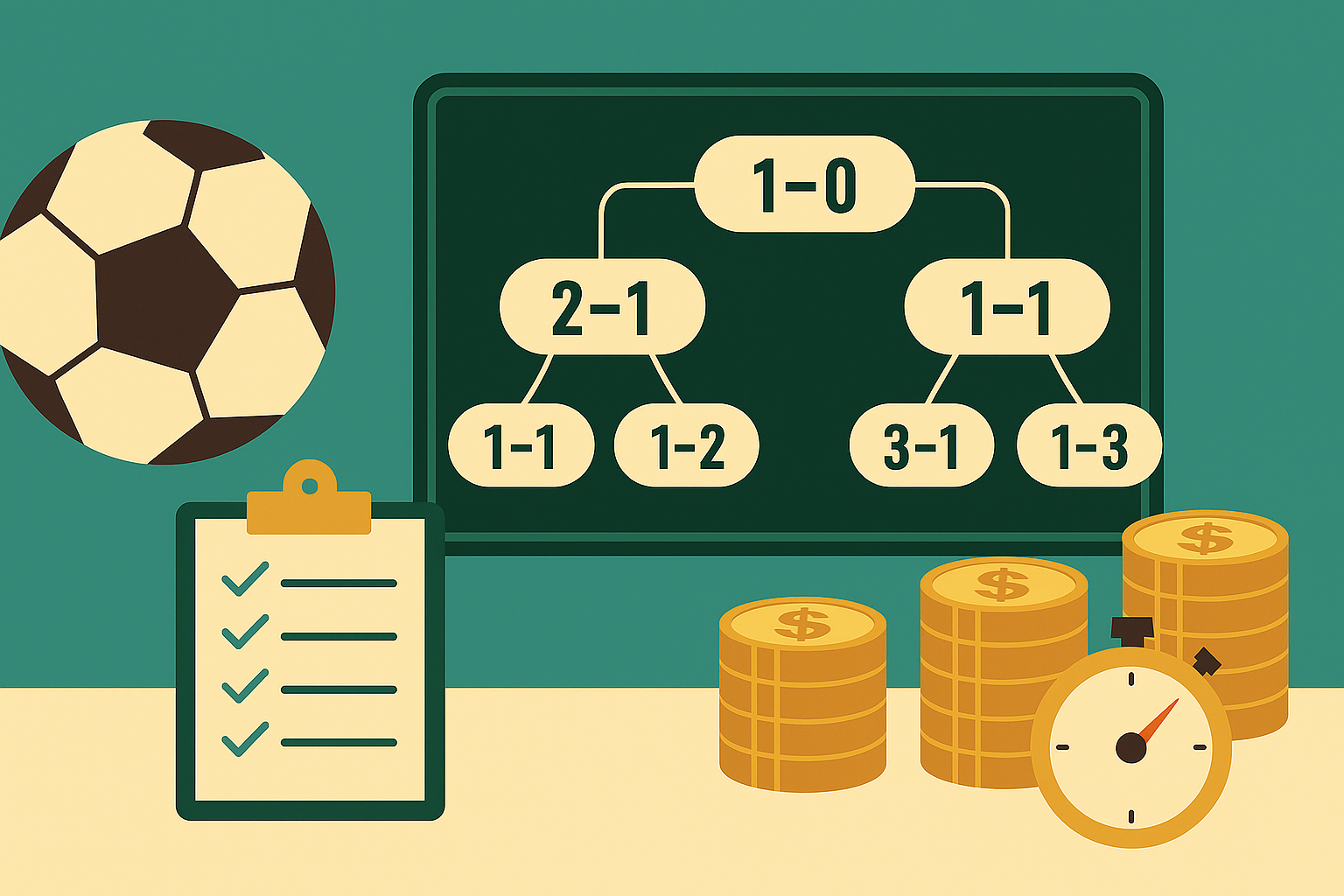


Odds are often assumed to change for one clear reason: new information. An injury is announced, conditions shift, or a key variable becomes known, and the number updates. That explanation feels intuitive. It is also incomplete. In many systems, odds move even when no new facts appear at all.
Odds are not only signals about information; they are balancing mechanisms. Movement does not require new knowledge about the world; it only requires pressure inside the system. To understand this further, it is helpful to look at a Related article which explores the mechanics behind these internal shifts. When odds are interpreted as predictions rather than prices, these shifts can feel confusing, suspicious, or unfair.
Why Odds Respond to Pressure, Not Just Facts
Odds are dynamic instruments that exist inside systems which must manage exposure, participation, and long-term stability. Because of this, they respond to internal conditions as much as external ones. When attention concentrates heavily on one outcome, imbalance forms. To redistribute risk, the system adjusts the number. No new information is required. The adjustment reflects pressure, not discovery.
When odds are expected to behave like news updates, this movement feels irrational. In reality, odds are not reporting events; they are regulating flow.
How Demand Alone Can Move Numbers
Demand is one of the strongest drivers of odds movement. When many participants favor the same outcome, risk accumulates on that side. To counter this concentration, odds shift to make that option less attractive and alternatives more appealing. This process is often misread as opinion or belief. The system is not changing its mind; it is responding to volume. The odds move not because the outcome became more or less likely, but because participation became uneven.
Why Timing Creates the Illusion of Insight
Odds often move more frequently as resolution approaches. Participation increases, pressure accumulates, and adjustments become more visible. From the outside, this looks like learning. In practice, it is compression. More activity requires more balancing. Without separating information arrival from participation acceleration, all movement can appear predictive, even when it is purely mechanical.
Why Liquidity Shapes Movement
Odds behave differently depending on liquidity. When participation is thin, small actions can move numbers dramatically. When participation is deep, much more pressure is required. This is why odds may shift sharply early and stabilize later without any new facts entering the picture. As balance improves, the system becomes harder to move.
Why Odds Movement Is Mistaken for Prediction
Because odds change, they are often treated as forecasts updating in real time. This creates the impression that the system is continuously refining its view of the future. In reality, odds movement often reflects accounting, not belief. The system is managing exposure across outcomes, not selecting which one will occur. Language reinforces this confusion. Phrases like “the odds are shifting” sound like insight. In practice, they often describe balance. This is why understanding Additional information is essential to separating signal from noise.
Why Stability Is the Real Objective
The purpose of odds movement is not short-term accuracy; it is long-term resilience. A system that never adjusts would be fragile. A system that adjusted only to information would accumulate an imbalance. Movement without new information is not a flaw; it is evidence that the system is working.
Once odds are understood as responsive structures rather than predictions, their behavior becomes easier to interpret. The numbers start looking like what they are: tools for managing uncertainty in a dynamic environment. Odds move because systems move. For a deeper exploration of how prices adjust to information and noise, the seminal economic text The Theory of Speculation by Louis Bachelier offers foundational insights into the mechanics of price movement.