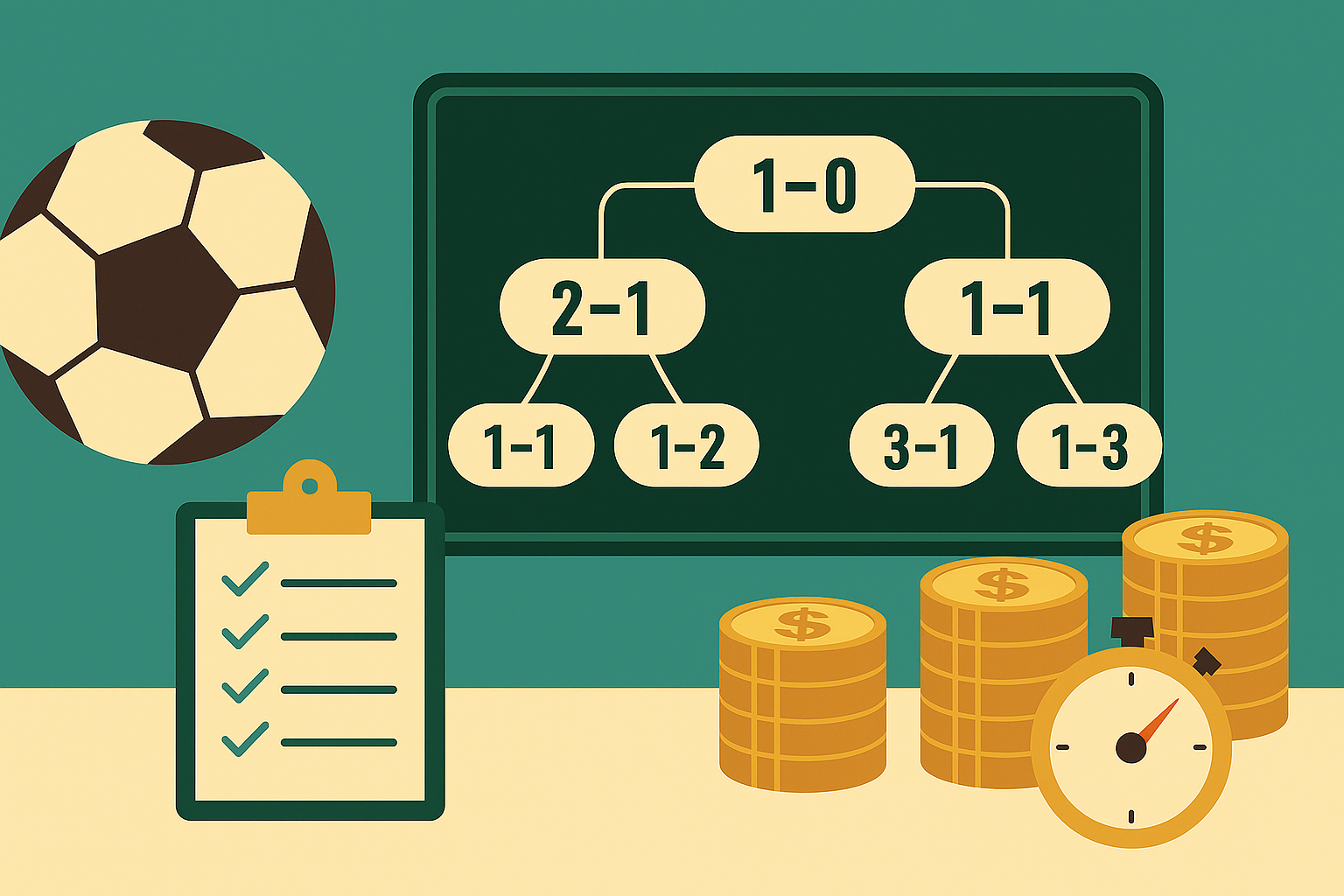


Near misses increase confidence because the human brain often fails to distinguish between a “close failure” and a “near success.” Instead of seeing a near miss as a warning that a risk was too high, people process it as a sign that they are getting closer to a win. This happens because the brain releases dopamine, a chemical linked to reward and pleasure, even when a person loses by a very small margin. This biological reaction creates an illusion of progress, making individuals feel more skilled and more likely to try again, even if the actual odds of winning remain exactly the same.
The Brain’s Mixed Signals
When a person plays a game or takes a risk, they usually expect one of two results: a win or a loss. However, a near miss sits in a confusing middle ground. In a slot machine, this might look like two matching symbols and a third one that stops just one spot away from the line. In sports, it might be a ball hitting the post instead of going into the net.
The biological response to this event is surprising. Research using brain scans shows that a near miss activates the same reward centers in the brain as an actual win. While a total miss feels like a boring failure, a near miss feels exciting. This excitement is caused by dopamine. Because the brain feels a “reward” from the near miss, it encourages the person to keep going. The brain treats the near miss as “useful information” that suggests success is just around the corner.
The Illusion of Control
A major reason why near misses lead to more confidence is a mental habit called the “illusion of control.” People often believe they can influence outcomes that are actually based on pure luck. When a person “almost” wins, they often think they are developing a skill. They might say they are “learning how the machine works” or “getting the feel for it.”
In reality, if a game is based on random numbers, there is nothing to learn. A near miss provides zero help for the next attempt. However, the feeling of being “close” makes the player feel like they have a special ability. This is why many people will continue to play a game long after they should have stopped. They are not chasing a win as much as they are chasing the feeling of being “about to win.”
Expert Opinions on the Near-Miss Effect
Psychologists who study gambling have looked into this behavior for years. Luke Clark, a professor at the University of British Columbia, has conducted many studies on how the brain reacts to these events. He has noted that near misses are a key reason why some people develop gambling problems.
Near-misses are a “double-edged sword” in the world of psychology. They feel like a win but function like a loss. Luke Clark explains that these events “recruit the same brain circuitry as wins, even though they are technically losses.” This biological trick keeps the player engaged and confident.
Another perspective comes from researchers studying safety in the workplace. They found that in high-risk jobs, like construction or flying planes, a near miss can lead to dangerous levels of confidence. If a pilot almost has an accident but lands safely, they might start to believe they are so talented that they can handle any danger. Instead of becoming more cautious, they become more relaxed.
What the Data Says About Persistence
Data from laboratory studies show that near misses directly change how long people play. In one experiment, participants were asked to play a simple simulated game. Some were given many near misses, while others had total misses.
| Event Type | Average Number of Extra Plays | Level of Heart Rate Increase |
| Total Miss | 5 | Low |
| Small Win | 12 | High |
| Near Miss | 11 | High |
The data shows that a near miss leads to almost as many extra plays as a real win. The physical reaction, measured by heart rate, is also nearly identical. This proves that the body reacts to “almost winning” with the same level of stress and excitement as “actually winning.” This physical energy is what people often mistake for confidence and progress.
The Problem in Real-World Safety
While near-misses are a big topic in casinos, they are even more important in safety management. In many industries, a “close call” is a warning. If a worker almost falls from a ladder but catches themselves, that is a near miss.
If the worker thinks, “I am so fast and strong that I caught myself,” their confidence goes up. They might be less careful next time. However, the correct way to view the event is to think, “The ladder was unstable, and I almost got hurt.” This shift from “I am good” to “The situation is dangerous” is hard for the human brain to make.
You can read more about the formal definition of these mental shortcuts in this Cognitive bias definition. Understanding these biases is the first step toward making more logical choices.
Breaking the Cycle of False Confidence
To avoid being tricked by a near miss, a person must learn to look at the math rather than the feeling. Whether you are playing a game, investing money, or working a job, you can use these steps to stay cautious:
Focus on the outcome, not the “almost”: If you lost, you lost. Do not let the “closeness” of the loss change your view of the risk.
Recognize the dopamine hit: When you feel that rush of excitement after a near miss, remind yourself that it is just a chemical reaction. It is not a sign that you are about to win.
Analyze the process: Ask yourself if you had any control over the result. If the result was random, being “close” means nothing for the future.
Take a break: Stepping away from the situation helps the dopamine levels return to normal, allowing you to think more clearly.
By understanding that our brains are naturally wired to find hope in “almost” winning, we can become more aware of our own behavior. A near miss is not a sign of progress; it is a reminder that the risk is real. True confidence comes from a solid plan and good data, not from the excitement of a close call.